
Happy Makar Sankranti 2026: Joyful Harvest Festivities Light Up India with Kites, Bonfires & Sacred Baths
Makar Sankranti 2026, falling on Wednesday, January 14, ushers in a wave of joy across India as families celebrate the Sun's transit into Capricorn, marking the end of winter and the dawn of longer days.[1][2][3]
This harvest festival, known by various names like Pongal in Tamil Nadu and Lohri in Punjab, symbolizes gratitude for bountiful crops and the auspicious Uttarayana period.[1][3][6] Devotees begin the day with early morning holy baths in sacred rivers such as the Ganga, Yamuna, and Godavari, believed to cleanse past karma.[2][3][5]
Auspicious timings enhance the spiritual fervor: The Sankranti moment occurs at 3:13 PM, with Punya Kala from 3:13 PM to 5:45 PM and Maha Punya Kala until 4:58 PM or 5:07 PM, ideal for rituals like offering Arghya to Lord Surya and charity.[2][4][5][8]
This year stands out as Shattila Ekadashi coincides with Makar Sankranti, making it exceptionally sacred. Observers perform puja to Lord Vishnu, fast with devotion, and avoid rice-based foods like khichdi.[2]
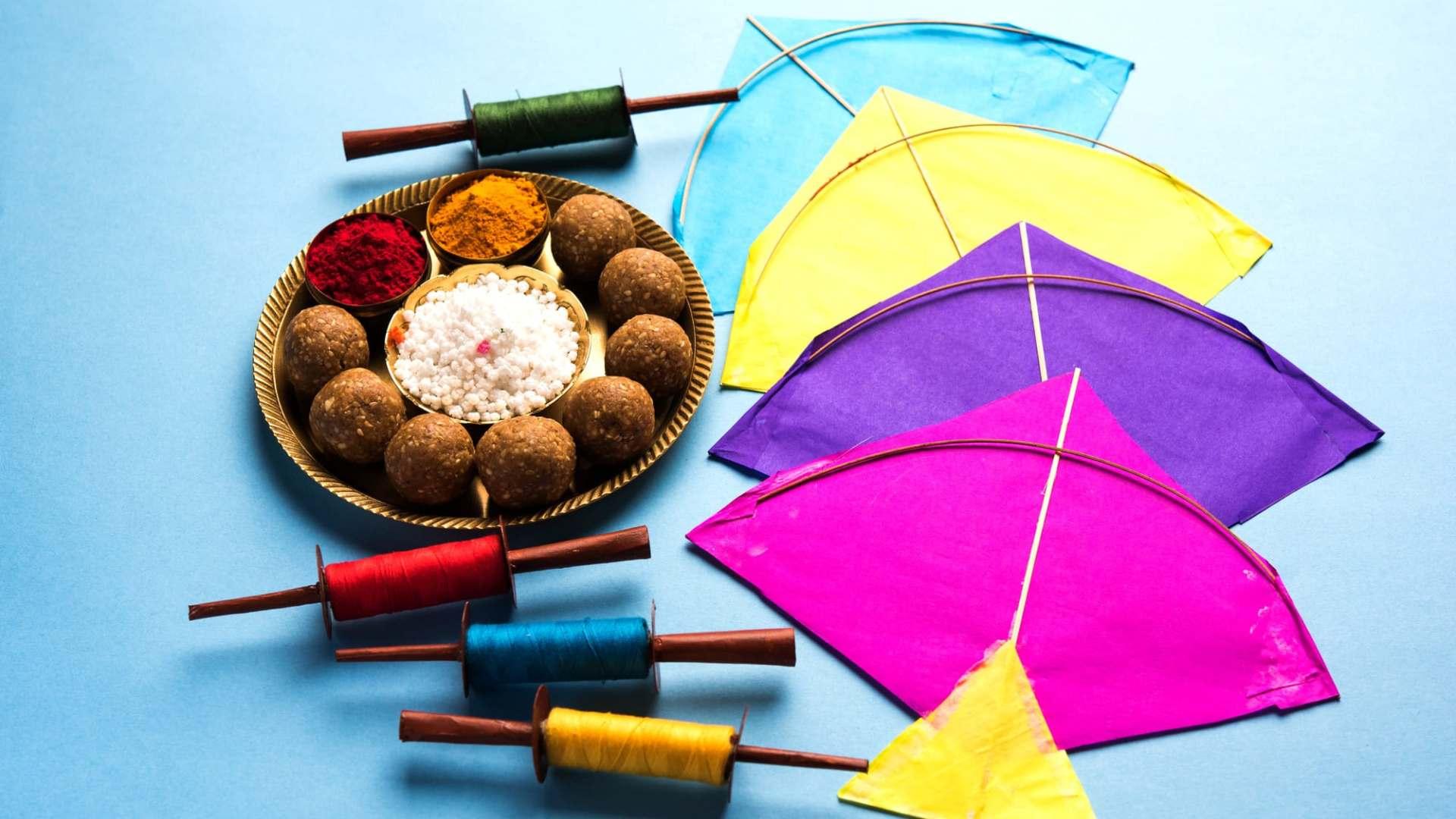
Regional celebrations add vibrant diversity: Punjab's Lohri features bonfires, folk songs, and dances with sweets tossed into flames.[3][4][6] Gujarat and Rajasthan host the International Kite Festival, filling skies with colorful kites during Uttarayan.[3][4][5] Tamil Nadu's Pongal involves cooking rice with milk to honor nature.[3][6]
In the East, the Ganga Sagar Mela draws pilgrims, while Assam's Magh Bihu emphasizes feasting.[5][6][7] Across Odisha and tribal areas, communities enjoy dances, bonfires, and special feasts.[7]
Traditional rituals include donating sesame seeds, ghee, grains, and blankets, alongside feasts of tilgul sweets and community gatherings, fostering unity and prosperity.[5][6]
टैग:
स्रोत:
www.bankbazaar.com
timesofindia.indiatimes.com
www.ndtv.com
kbssidhu.substack.com
www.hindustantimes.com
www.radhakrishnatemple.net
en.wikipedia.org
www.drikpanchang.com
www.reliancedigital.in