
Iran's Sudden Airspace Shutdown: Airlines Scramble Amid US Tensions
Iran temporarily closed its airspace to most flights early Thursday, sparking global airline disruptions and fears of imminent US military action amid escalating tensions.
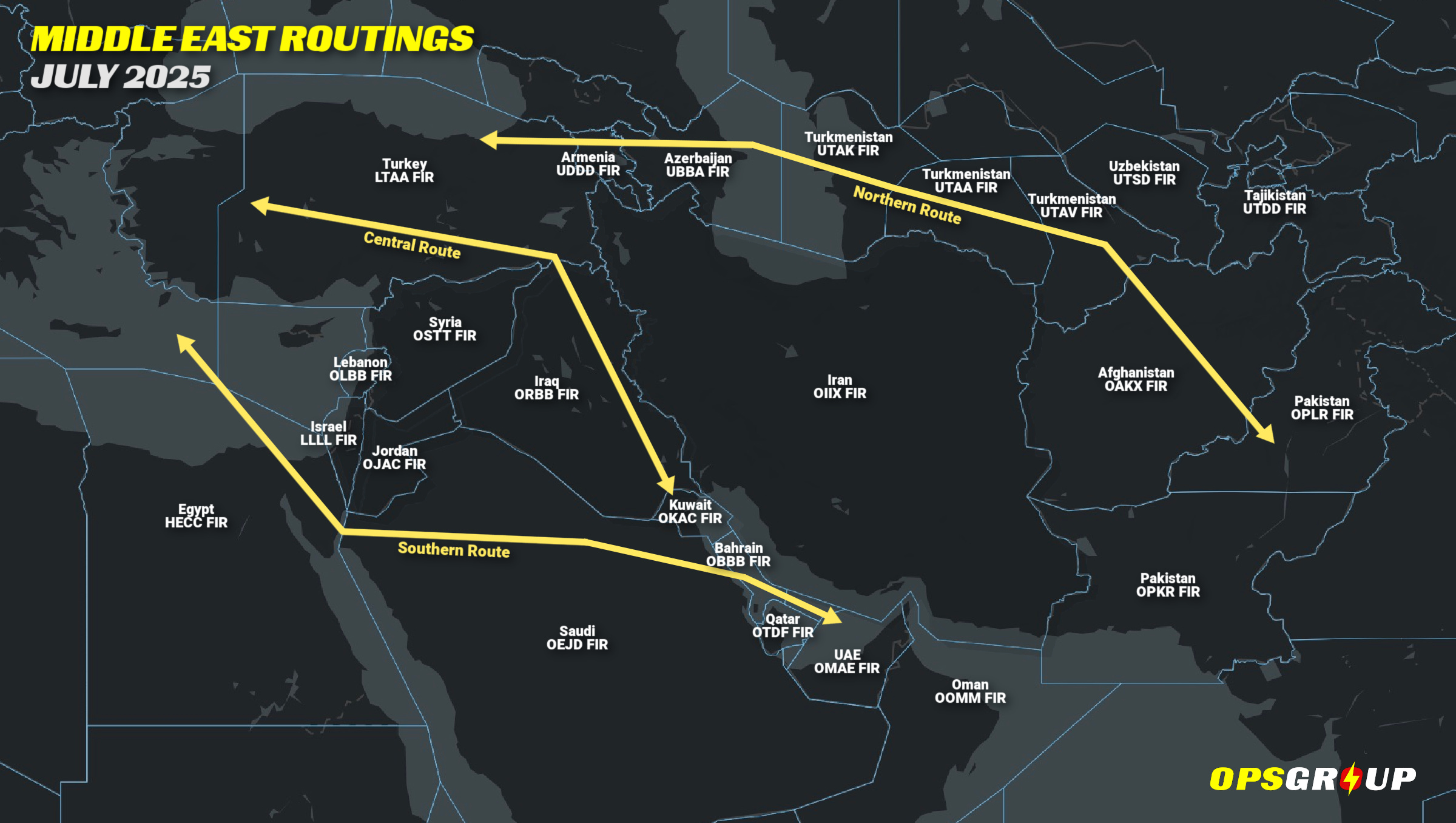
The closure, lasting about five hours from around 10:00 PM UTC on January 14 to 3:00 AM UTC on January 15, was announced via a NOTAM (Notice to Airmen) excluding only authorized international flights. Flight trackers like Flightradar24 showed airspace over Iran and Iraq emptying rapidly, with airlines such as IndiGo, Air India, Turkish Airlines, Lufthansa, British Airways, and KLM forced to divert or delay dozens of flights. India's IndiGo reported impacts on international routes, while Russia's Aeroflot returned a Tehran-bound flight to Moscow. Diversions added up to 45 minutes and significant fuel costs per long-haul flight, potentially leading to higher surcharges.
The move coincided with heightened US-Iran friction over Iran's crackdown on nationwide protests, which has killed at least 2,615 people according to the US-based Human Rights Activists News Agency—the highest toll since the 1979 Islamic Revolution. Western military officials described US attack signals as 'imminent,' though President Donald Trump offered vague comments, stating plans for executions in Iran had 'stopped' and the US would 'watch and see.' Iran warned regional nations of strikes on US bases if attacked.
Safety concerns evoked the 2020 tragedy when Iranian defenses mistakenly shot down Ukraine International Airlines Flight PS752, killing 176. Risk consultancies like SafeAirspace raised threat levels, noting risks of missile launches or misidentification. War-risk insurance premiums for regional flights have risen 15% year-over-year.
Governments urged citizens to leave Iran: Poland, Italy, the UK (which closed its Tehran embassy), and the US issued advisories. US personnel evacuated from Al Udeid Air Base in Qatar and halted access to Kuwait bases. Iran's Foreign Minister Abbas Araghchi called for diplomacy over war.
Many airlines, including European carriers, plan to avoid Iranian and Iraqi airspace indefinitely, underscoring how geopolitics disrupts vital East-West air corridors where Iran holds a central position.
Tags:
Sources:
www.jpost.com
www.politico.com
www.visahq.com
www.youtube.com